Commercial Asphalt Paving vs. Concrete: Which Is Better for Businesses
People searching for commercial asphalt paving installation are typically looking to install durable, smooth surfaces for their business, and local contractors can provide expert installation and advice.
Deciding between commercial asphalt paving and concrete for business properties is a common consideration for property owners looking to make durable, practical choices for their outdoor surfaces. This topic is especially relevant for those in the area who want to ensure their parking lots, driveways, or loading zones are built to last and meet their operational needs. Exploring the differences can help property owners understand which material aligns best with their budget, maintenance preferences, and usage demands. Local contractors specializing in commercial paving can offer valuable insights and services to help make the best choice for each individual property.
Understanding the practical advantages of asphalt versus concrete can lead to more informed decisions that impact long-term performance and costs. For example, asphalt often provides a smoother surface and quicker installation, making it appealing for high-traffic areas. Concrete, on the other hand, tends to be more resistant to certain types of wear and may require less frequent repairs. Service providers in the area who focus on commercial asphalt paving installation are well-equipped to help property owners evaluate these factors and determine the most suitable option for their business needs. Keep reading to explore the key differences and discover how local experts can assist in creating durable, functional outdoor surfaces.
- Commercial asphalt paving installation - needed for businesses seeking durable, cost-effective parking lots or driveways, with local contractors focusing on proper surface preparation and smooth application.
- Commercial asphalt paving installation - ideal when a quick, efficient surface solution is required for high-traffic areas, with service providers emphasizing quality materials and proper compaction.
- Commercial asphalt paving installation - suitable for projects requiring resurfacing or expansion of existing asphalt surfaces, with local pros assessing site conditions to ensure longevity.
- Commercial asphalt paving installation - chosen for new commercial developments needing reliable pavement, where local contractors prioritize precise grading and drainage considerations.
- Commercial asphalt paving installation - recommended for businesses wanting a flexible, low-maintenance surface, with local pros offering expert installation tailored to specific operational needs.
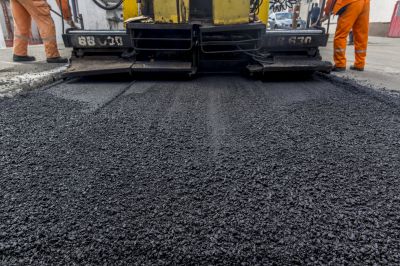
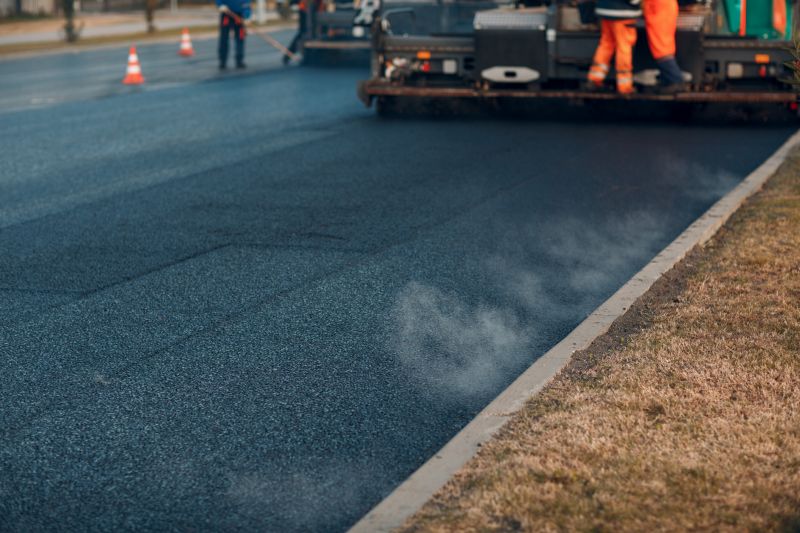
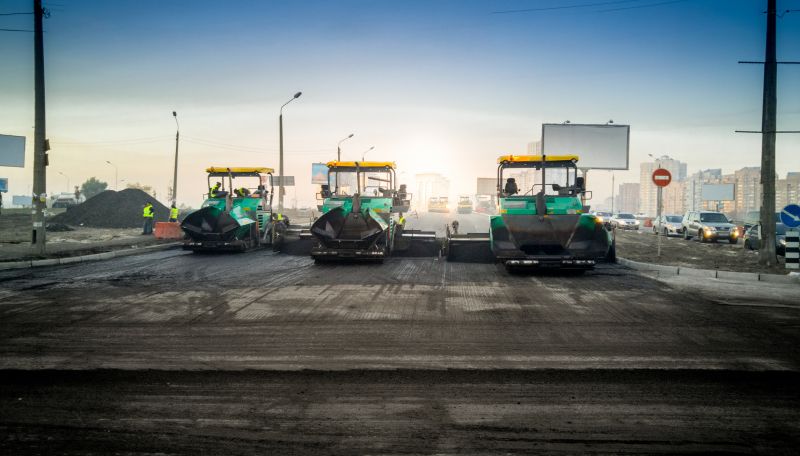
When people search for commercial asphalt paving vs. concrete: which is better for businesses, they are often trying to determine the most suitable material for their property's parking lot, driveway, or loading area. This decision usually relates to plans for new construction, renovations, or upgrades of existing surfaces. Property owners want durable, cost-effective solutions that can handle heavy traffic and meet operational needs. The choice between asphalt and concrete can significantly impact maintenance requirements, lifespan, and overall appearance, making it a common consideration for businesses seeking long-term value and functionality.
This comparison is particularly relevant for properties like retail centers, office complexes, warehouses, and industrial facilities, where the pavement is a critical part of daily operations. These properties typically experience high traffic volumes, including large trucks, delivery vehicles, and customer cars. Business owners often evaluate factors such as load-bearing capacity, installation speed, and resistance to cracking or potholes. The decision also ties into future plans for expansion or reconfiguration, as some surfaces may be easier to modify or repair over time. Local contractors who specialize in commercial paving can provide insights into which material best fits the specific demands of these property types.
Understanding the differences between asphalt and concrete helps property owners anticipate potential problems and plan accordingly. Asphalt is generally known for its quick installation and lower initial costs, making it a popular choice for projects that need to be completed swiftly. Concrete, on the other hand, tends to last longer and resist certain types of damage better over time, which might appeal to businesses prioritizing longevity. When considering commercial asphalt paving vs. concrete, it’s important to think about the property’s usage patterns, climate conditions, and future maintenance plans. Local service providers can help evaluate these factors to recommend the most practical solution for each specific project.
For business owners exploring their options, connecting with experienced commercial paving contractors can clarify which material aligns best with their operational needs and property characteristics. These professionals understand the nuances of different surfaces and can advise on installation techniques, durability, and maintenance considerations. Whether a property requires a quick, cost-efficient asphalt driveway or a durable concrete lot that withstands heavy usage, local contractors can help identify the best approach. Making an informed choice between asphalt and concrete ultimately supports the property’s functionality, appearance, and long-term performance, ensuring the pavement remains a reliable asset for the business.
Parking Lot Paving - local contractors specializing in parking lot paving can provide insights into material choices and planning considerations relevant to commercial asphalt versus concrete surfaces.
Driveway Construction - experts in driveway installation often work with both asphalt and concrete, offering knowledge on durability and maintenance for business entrances.
Sidewalk and Walkway Installation - planning and installing walkways involves similar skills in surface preparation and finishing that are applicable to commercial paving projects.
Industrial Flooring - service providers experienced in industrial flooring understand the differences in material performance, which can inform decisions between asphalt and concrete for business needs.
Roadway Repaving - local contractors handling roadway repaving share expertise in surface longevity and planning, relevant to choosing the best material for commercial lots.
Sealcoating Services - providers offering sealcoating have knowledge of surface protection techniques that extend the life of asphalt and concrete surfaces alike.
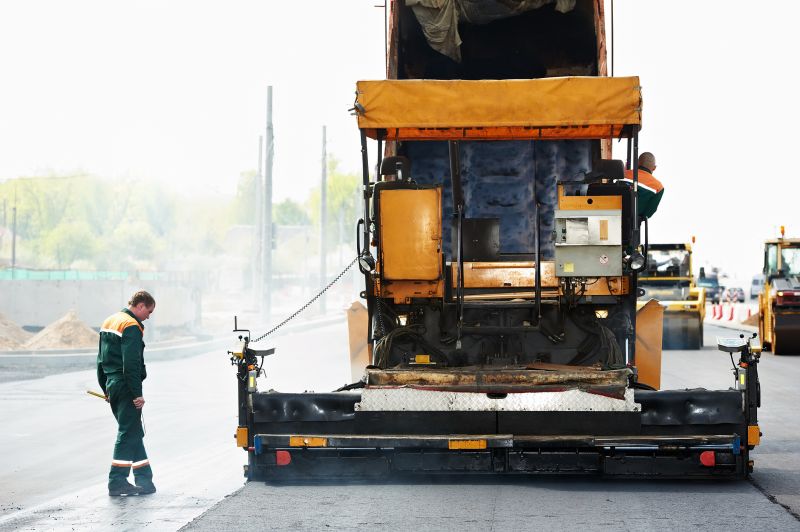
When evaluating commercial asphalt paving installation services, it is essential to consider the experience of local contractors with similar projects. An experienced professional will have a proven track record of handling commercial paving jobs comparable in size and scope to the business’s needs. This familiarity can help ensure that the project is completed efficiently and meets the specific demands of the property, whether it's parking lots, driveways, or other paved surfaces. Checking references or reviews from previous clients who have undertaken comparable work can provide insight into the contractor’s expertise and reliability, helping to build confidence in their ability to deliver quality results.
Clear written expectations are vital when comparing service providers for commercial asphalt paving versus concrete. A reputable local contractor should be able to provide detailed proposals that outline the scope of work, materials to be used, and the projected process. This transparency helps prevent misunderstandings and ensures that all parties have a shared understanding of what the project entails. It also facilitates easier comparison between different contractors, making it simpler to identify which provider offers the most comprehensive and realistic plan aligned with the business’s priorities.
Effective communication is another critical factor when selecting a contractor for asphalt paving installation. Good communication from the outset can indicate a contractor’s professionalism and commitment to customer service. It allows for questions to be addressed promptly and concerns to be managed proactively throughout the project. A contractor who maintains clear, ongoing dialogue can help ensure that expectations are managed, adjustments are made smoothly if needed, and the project proceeds with minimal confusion. This level of communication often correlates with a smoother experience and a more successful outcome for the business’s paving needs.
Property owners often search for commercial asphalt paving vs. concrete: which is better for businesses when they are planning practical projects around their homes and businesses. Local pros provide Commercial Asphalt Paving Installation services for everyday jobs and straightforward project options.
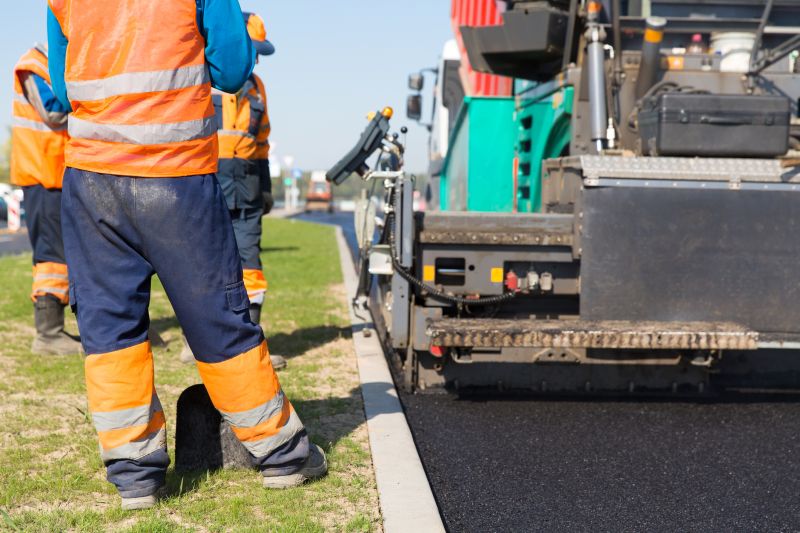
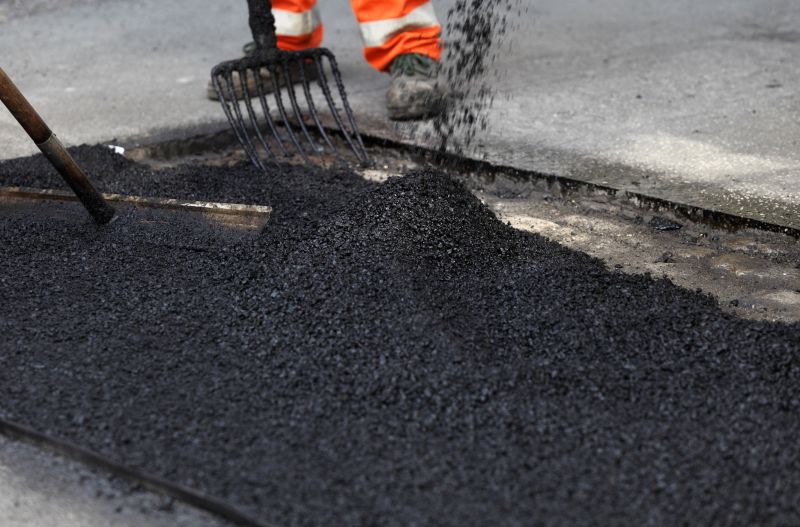
When considering parking lots, driveways, or other paved areas for a business, property owners often weigh the benefits of commercial asphalt paving versus concrete. Asphalt tends to offer a quicker installation process, making it appealing for projects that need to be completed efficiently. It also generally provides a smoother surface suitable for high traffic and heavy loads, which can be important for retail stores, restaurants, or service centers. Local contractors specializing in asphalt paving can help evaluate the specific needs of a property and recommend the best approach based on durability, surface quality, and overall project goals.
On the other hand, concrete might be chosen for its longevity and low maintenance requirements, especially in areas where a more permanent surface is desired. It can withstand harsh weather conditions and heavy equipment, making it a practical choice for certain business environments. Property owners exploring options often look for local service providers who can install either material with expertise, ensuring the finished surface supports their daily operations. Consulting with experienced contractors can help determine whether asphalt or concrete aligns better with the business’s usage patterns and long-term plans.
What are the main differences between commercial asphalt paving and concrete for business surfaces? Commercial asphalt paving typically offers quicker installation and easier repairs, while concrete provides a more durable and long-lasting surface. Local contractors can help determine which material suits a specific business's needs based on usage and conditions.
Which material is better suited for high-traffic areas in commercial settings? Concrete is often preferred for high-traffic areas due to its strength and longevity. However, experienced asphalt paving contractors can install asphalt surfaces that withstand heavy use with proper maintenance.
How do maintenance requirements compare between asphalt and concrete for businesses? Asphalt generally requires resealing and crack repairs over time, whereas concrete may need joint replacement or surface grinding. Local service providers can advise on ongoing maintenance needs for each material.
Are there environmental considerations when choosing between asphalt paving and concrete? This decision typically depends on local climate and usage rather than environmental impact, but local contractors can provide guidance tailored to specific business locations and conditions.
Can local contractors customize asphalt or concrete surfaces for specific business needs? Yes, experienced paving professionals can customize finishes, markings, and textures for both asphalt and concrete to meet the functional requirements of different commercial properties.
Durability considerations - Property owners can evaluate the expected traffic and load demands to choose between asphalt or concrete, and local contractors can advise on the best material for long-term performance.
Maintenance planning - Planning for routine upkeep, such as sealing asphalt or repairing cracks in concrete, can help property owners maintain a professional appearance with help from local pros.
Surface aesthetics - Deciding on the desired look and finish of the paved area allows property owners to work with local contractors to select the most suitable material for visual appeal.
Project flexibility - Understanding the scope of the paving project and future expansion plans can guide property owners in selecting asphalt or concrete, with local pros providing tailored installation options.
If you are thinking about commercial asphalt paving vs. concrete: which is better for businesses for a property, this guide is meant to help you understand this topic, the typical project types, and how different options might fit your plans.
When you are ready, you can use the quote form on this page to share a few details about your project. From there, local pros can review the basics and follow up with options that match what you have in mind.